
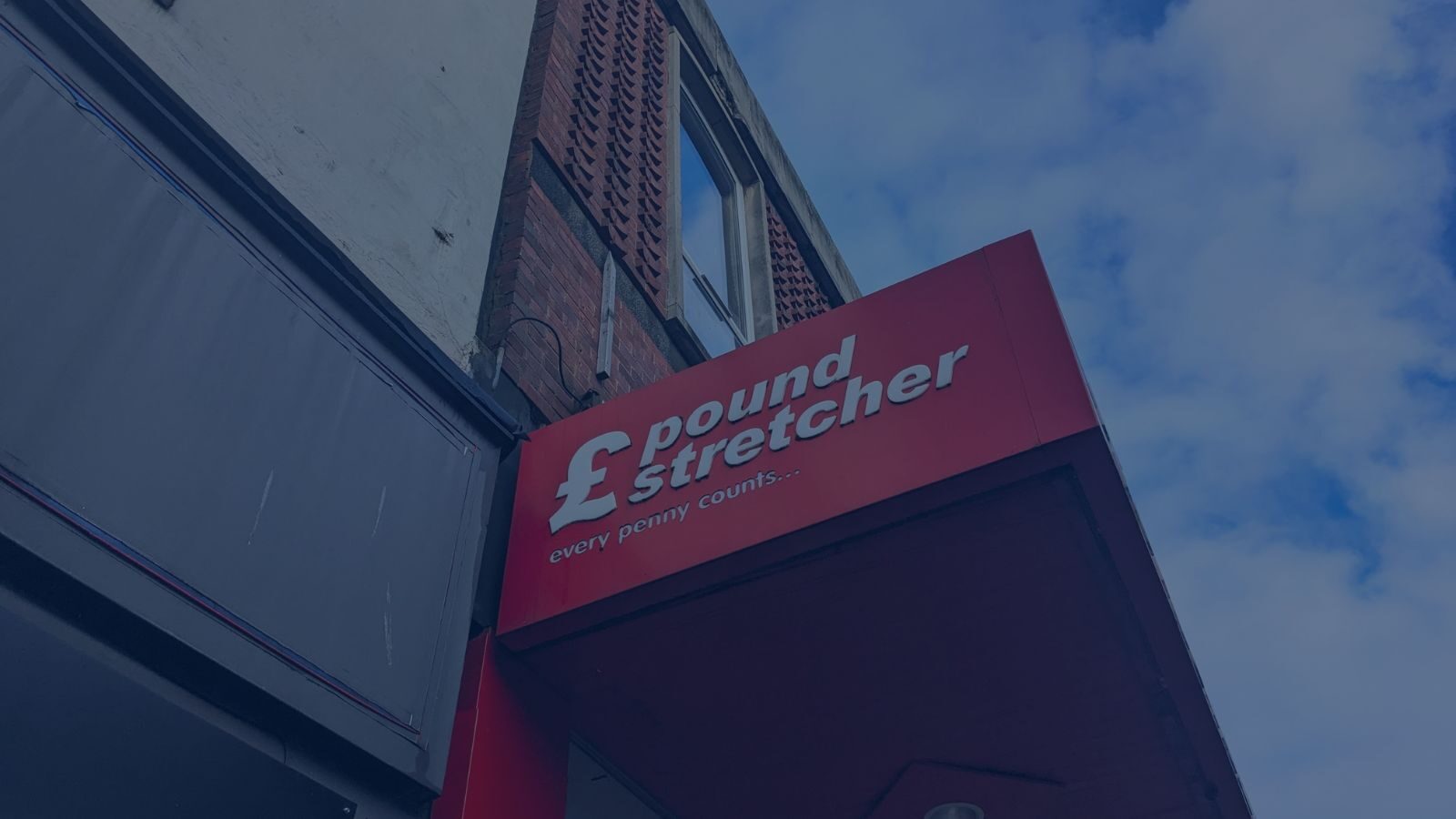
High Court approval highlights the increasing use of restructuring plans to avoid insolvency and preserve value
The recent approval of Poundstretcher’s restructuring plan by the High Court represents another significant development in UK corporate restructuring law and demonstrates the increasing willingness of courts to utilise the restructuring plan regime introduced under Part 26A of the Companies Act 2006.
The plan reportedly received support from approximately 93% of voting creditors and was sanctioned by the court as a means of avoiding an administration process that the retailer argued would otherwise have been unavoidable. The restructuring primarily focused on reducing property-related costs through rent reductions while preserving the retailer’s nationwide store network and workforce.
For businesses, landlords and insolvency professionals in Northern Ireland, the decision is a reminder that restructuring plans have become a powerful tool for companies facing financial distress and can significantly alter the balance of power between companies and their creditors.
What Is a Restructuring Plan?
A restructuring plan is a court-supervised process available under Part 26A of the Companies Act 2006. Introduced by the Corporate Insolvency and Governance Act 2020, it allows companies experiencing, or likely to experience, financial difficulties to compromise debts and liabilities in order to restore long-term viability.
One of its most significant features is the ability of the court to impose a plan on dissenting creditor classes through the “cross-class cram down” mechanism where certain statutory conditions are met.
Unlike traditional company voluntary arrangements (CVAs), restructuring plans offer greater flexibility and judicial oversight. They have increasingly been used in the retail, leisure and property sectors where large lease portfolios and fixed occupancy costs create financial pressure.
The Poundstretcher Proposal
Poundstretcher, which operates more than 300 stores across the United Kingdom and employs approximately 3,000 staff, sought court approval for a restructuring plan centred on reducing property costs and renegotiating rental liabilities.
The company argued that, without approval of the plan, it would likely have entered administration. The court ultimately approved the proposal, allowing the business to continue trading while implementing revised lease arrangements.
The restructuring follows a period of sustained pressure on UK retailers arising from inflation, increased operating costs, reduced consumer spending and continuing challenges facing the high street sector.
Why Does This Matter in Northern Ireland?
Although the case concerns a UK-wide retailer, its implications are highly relevant to the Northern Ireland market.
1. Increased Use of Restructuring Plans
Northern Ireland businesses facing financial difficulties may increasingly consider restructuring plans as an alternative to administration or liquidation. The courts have demonstrated a willingness to approve plans where there is credible evidence that creditors would receive a worse outcome in an insolvency scenario.
As economic pressures continue across retail, hospitality, construction and commercial property sectors, directors should be aware that restructuring plans are no longer reserved solely for large multinational companies. The statutory framework is available to companies of varying sizes where the relevant criteria can be satisfied.
2. Implications for Commercial Landlords
The Poundstretcher plan is particularly noteworthy because it focused on reducing rental liabilities rather than widespread store closures. This reflects a broader trend in restructuring cases where landlords are increasingly asked to absorb part of the financial burden of rescuing a business.
For commercial landlords in Northern Ireland retail centres, the message is clear: lease rights are no longer immune from restructuring. Where a tenant can demonstrate financial distress and satisfy the statutory requirements, a court may approve modifications to rental obligations even where some landlords object.
Landlords therefore need to engage proactively when notified of restructuring proposals and obtain early legal advice regarding voting rights, valuation evidence and alternative outcomes.
3. Retail Sector Pressures Remain Significant
The Poundstretcher decision highlights the continuing challenges facing the UK retail sector. Rising labour costs, business rates pressures, inflation and changing consumer habits continue to affect profitability across the market.
Northern Ireland’s retail landscape is not immune to these pressures. Shopping centres, retail parks and town centre premises may see further restructuring activity as occupiers seek to reduce fixed property costs while maintaining trading operations.
4. Directors’ Duties During Financial Distress
For company directors, the case serves as an important reminder that early engagement with restructuring options can preserve value and avoid formal insolvency processes.
Directors of financially distressed businesses must carefully monitor cash flow, creditor exposure and solvency risks. Seeking professional advice at an early stage may create opportunities to pursue consensual restructurings, refinancing arrangements or, where appropriate, a formal restructuring plan.
Delay can significantly reduce available options and increase the risk of personal exposure for directors if insolvency becomes unavoidable.
Looking Ahead
The approval of the Poundstretcher restructuring plan reflects a broader trend in UK restructuring law towards rescue and rehabilitation rather than business failure. Courts have shown a willingness to support viable businesses where a restructuring offers creditors a better outcome than administration or liquidation.
For Northern Ireland businesses, lenders and landlords, the key lesson is that restructuring plans are now an established feature of the corporate rescue landscape. Companies facing financial pressure should understand the options available, while creditors must recognise that traditional contractual rights may be subject to court-approved compromise where a restructuring can be justified.
As economic uncertainty continues, it is likely that restructuring plans will play an increasingly important role in preserving businesses, protecting employment and reshaping creditor relationships across Northern Ireland and the wider United Kingdom.
How we can help
Mills Selig’s Restructuring and Insolvency team advises directors, companies, landlords, lenders and insolvency practitioners on all aspects of business rescue and formal insolvency procedures. We provide strategic advice on restructuring plans, company voluntary arrangements, administrations, landlord and tenant disputes, creditor rights and directors’ duties during periods of financial distress.
If you have any queries regarding the information provided above or would like any advice in relation to same, please don’t hesitate to contact the Restructuring & Insolvency team at Mills Selig
Editorial prepared by Richard Craig, Partner and Head of Restructuring & Insolvency at Mills Selig
Other Articles by the team:
🔗Pre-Pack administration of TGI Fridays – Thank goodness it has been successfully restructured
🔗Restructuring and Insolvency at Mills Selig – Turning Challenge into Opportunity
Cover Photo by ID 447675825 | Poundstretcher © Tingkeic | Dreamstime.com

Richard Craig, Partner and Head of Restructuring & Insolvency
Richard advises insolvency practitioners, major lenders, companies, partnerships, and individuals on all aspects of restructuring and insolvency.
Richard brings extensive experience in disputes and litigation to his role. He frequently represents clients in the High Court, handling a wide range of insolvency proceedings.
T: 028 9044 5420
E: Richard.Craig@MillsSelig.com
W: millsselig.com/team/richard-craig/
Based in Belfast, Mills Selig’s expert legal team provides clear, commercially focused legal advice to businesses and individuals across Northern Ireland. From corporate transactions to commercial disputes, our solicitors deliver practical, solutions‑driven support. Make Mills Selig #YourLegalTeam
🔗 Meet Mills Selig’s team of solicitors
🔗 Explore Mills Selig’s commercial legal services